Embeddedness
We exist within nested relationships and living systems.

The Flourish ProjectWisdom Lab inquiry
The capacity to perceive, navigate and participate wisely in the relationships and living systems of which we are part.
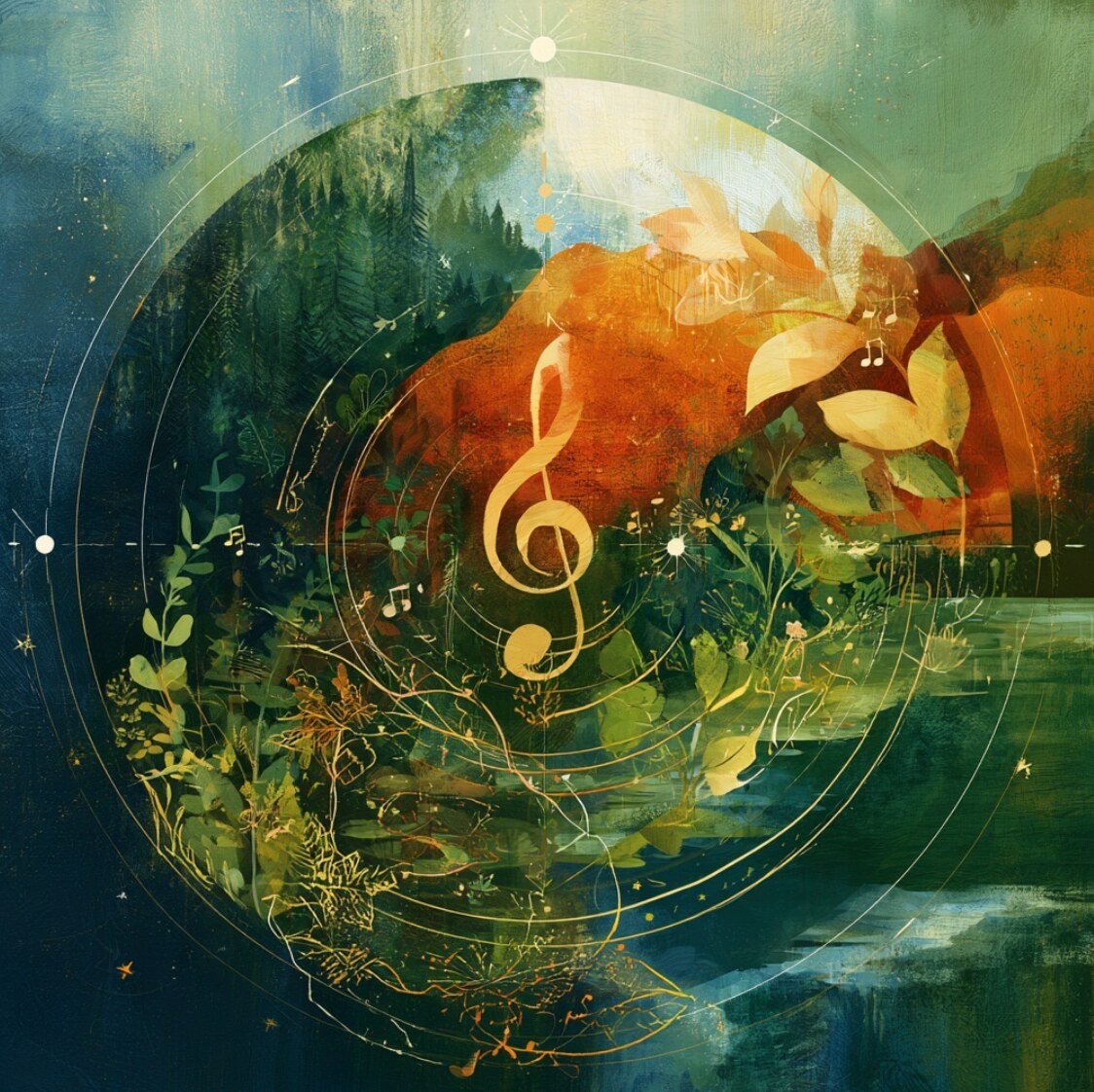
self
others
living world
larger whole
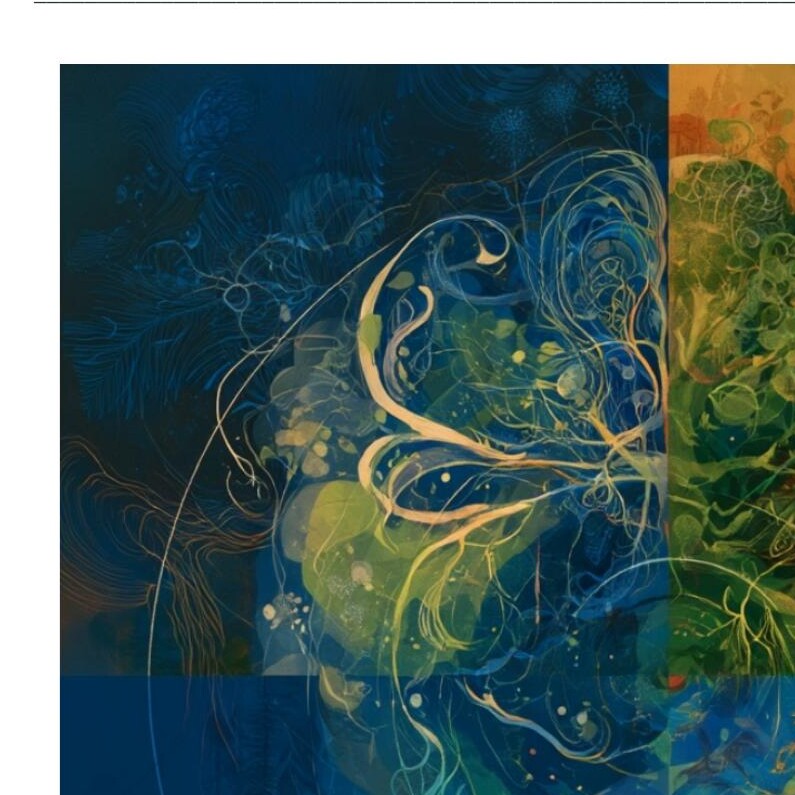
The spaces in between
Relationship is not simply what connects already-separate things. It is the living field through which identity, meaning and possibility emerge.
01 / The core proposition
Human beings are born into relationship: with bodies, caregivers, communities, cultures, places and the wider living world. Relational embeddedness is the condition of our existence.
Relational development is the lifelong process through which we learn to perceive and participate in these relationships. Relational intelligence is the growing capacity to do so with awareness, discernment, care and creativity.
We exist within nested relationships and living systems.
We learn to sense, interpret and respond within them.
We participate with growing coherence, reciprocity and wisdom.
02 / The study
The Relational Intelligence Study brings diverse ways of knowing into conversation. It asks what becomes visible when relationship is understood not as a secondary human skill, but as a foundational property of life and a vital capacity for our shared future.
Guiding questions
How is relational intelligence expressed across biological, human, ecological and planetary systems?
How does it develop—and what conditions enable or inhibit that development?
How might spiritual intelligence describe the human experience of movement towards balance and wholeness?
What could relational intelligence offer education, leadership, institutions and collective life?
03 / What Shapes Us
Relational intelligence does not develop in isolation. Our ways of perceiving, valuing and participating are continually formed through the interplay of biology, experience, relationship, culture and the environments we inhabit.
What Shapes Us explores these reciprocal influences: how patterns move between inner and outer worlds, between personal development and collective life, and between inherited conditions and emerging possibility. It asks how becoming more conscious of what shapes us might enlarge our capacity to shape the future wisely.
04 / A pluriversal inquiry
No single discipline or tradition can fully account for relationship. The study creates a shared field across scientific, philosophical, cultural, spiritual and experiential perspectives.
Biology, ecology, evolution and the self-organising dynamics of life.
Attachment, embodiment, consciousness, learning and moral development.
Relational ontologies grounded in kinship, reciprocity, land and ancestry.
Philosophy, psychology, mathematics and the nature of knowing.
Interbeing, unity, sacred relationship and lived experiences of wholeness.
Education, leadership, design and the transformation of institutions.
Mathematical & scientific inquiry
Science helps the inquiry examine how coordination, adaptation, emergence and coherence arise across living systems. Mathematics offers formal languages for exploring relation, pattern, symmetry, transformation and the movement between parts and wholes.
This is not a search for mathematical proof of a philosophical proposition. It is a disciplined investigation of where distinct fields illuminate common relational dynamics—and where their differences and limits must remain visible.
Organisms, environments and development as mutually formative processes.
Emergence, self-organisation, adaptation, resilience and evolutionary change.
Networks, topology, recursion, symmetry and pattern across scales.
How experience, meaning and awareness may arise through relational processes.
The integrating architecture
The ESF Framework offers a practical architecture for exploring how relational intelligence supports flourishing across human and planetary systems—from the natural environment and regenerative economies to culture, identity and human potential.
Discover the ESF Framework05 / The inquiry in public
This space will gather perspectives, synthesis papers, recorded contributions and practical applications as the inquiry develops.
The rationale, framing and proposed pathway for a collaborative inquiry.
ForthcomingShort recorded contributions from researchers, practitioners and wisdom holders.
In developmentWorking papers exploring the study through complementary disciplines and traditions.
Growing collection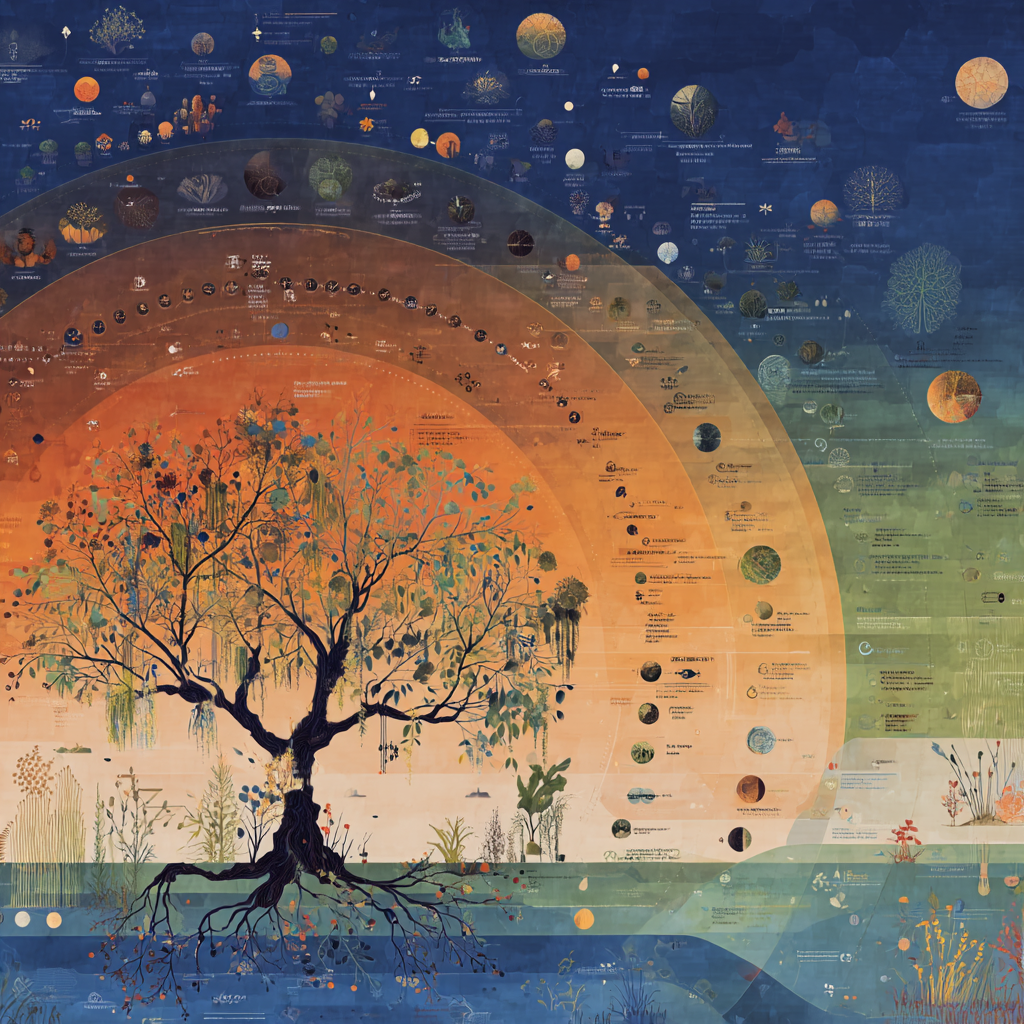
Across scales, life reveals recurring movements of differentiation, relationship, adaptation and renewal.
An invitation to inquire
What might become possible if we understood intelligence not simply as something an individual possesses, but as a quality that arises through relationship?Return to the Wisdom Lab